
Takamatsu Castle (Bitchū)
Takamatsu Castle (Bitchū) is a notable example of a Sengoku period Japanese castle located in the Kayo neighborhood of Kita-ku, Okayama, within Okayama Prefecture. Constructed in the 16th century, this castle exemplifies the hirajō style, or flatland castle, characterized by its strategic use of natural terrain rather than imposing stone fortifications. Unlike many contemporaneous castles, Takamatsu Castle did not feature stone walls but relied on earthen walls and the natural defenses provided by surrounding marshes, which functioned as an effective moat system.
Historical context and significance
Built during the turbulent Sengoku period, a time of frequent military conflict and shifting alliances in Japan, Takamatsu Castle served as a defensive stronghold in the Bitchū Province. The castle's location in a marshy flatland area was a deliberate choice, leveraging the natural landscape to create formidable barriers against attackers. This approach reflects the strategic military thinking of the era, where geography was as crucial as man-made fortifications.
Throughout its history, Takamatsu Castle played a role in regional power struggles, although it did not achieve the prominence of larger mountain or coastal fortresses. Its design and construction techniques provide insight into the adaptation of castle architecture to local environmental conditions during the late medieval period in Japan.
Architectural features and design
Hirajō style and defensive strategy
The castle's hirajō style denotes a flatland castle built on plains rather than elevated terrain. This style often necessitated extensive use of moats and earthworks for defense, as natural elevation was absent. Takamatsu Castle's defensive perimeter was primarily composed of earthen walls, which were less costly and quicker to construct than stone walls but required careful maintenance.
The surrounding marshes played a critical role in the castle's defense, effectively serving as a natural moat that hindered enemy approach and siege efforts. These wetlands would have been difficult terrain for invading forces, adding a layer of protection without the need for extensive artificial waterworks.
Castle layout and structures
While much of the original castle structures have not survived, archaeological studies and historical records suggest that Takamatsu Castle included typical features of Sengoku period fortifications such as baileys, gates, and watchtowers constructed primarily from wood and earth. The absence of stone walls distinguishes it from many other castles of the period, highlighting a regional variation in castle construction methods.
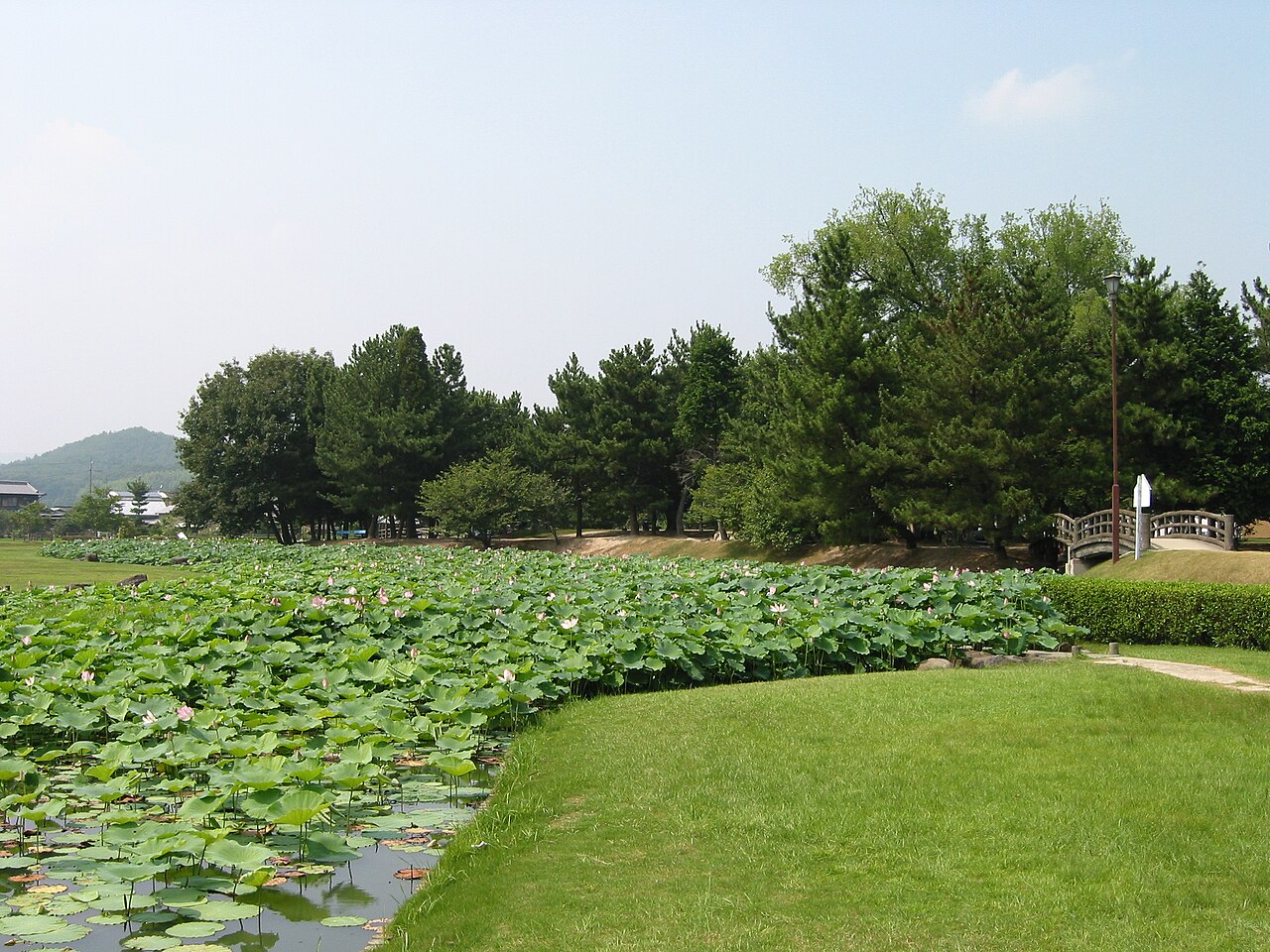
Photo by by Reggaeman • CC BY-SA 3.0
Preservation and current status
The ruins of Takamatsu Castle have been recognized for their cultural and historical value, leading to their designation as a National Historic Site by the central government in 1902. As archaeological ruins, the site offers valuable insights into the military architecture and landscape use of the Sengoku period.
Visitors to the site can observe the remnants of the earthen walls and the natural marshland moat, which together convey the castle's original defensive strategy. The site is managed to preserve its condition as ruins, with efforts focused on protecting the earthworks and preventing further degradation.
Access and visitor information
Located in the modern city of Okayama, Takamatsu Castle ruins are accessible to the public, providing an opportunity to explore a less typical example of Japanese castle architecture. The site appeals to those interested in history, archaeology, and traditional Japanese fortifications.
While no extensive reconstructed buildings exist on site, interpretative signage and guided tours may be available to help visitors understand the castle's historical context and architectural features.
Comparative significance in Japanese castle history
Takamatsu Castle (Bitchū) stands out among Japanese castles for its reliance on natural marsh defenses and earthen walls rather than stone fortifications. This approach reflects a practical adaptation to local geography and available resources during the late medieval period.
Its preservation as an archaeological site allows historians and visitors alike to appreciate the diversity of castle designs in Japan, beyond the more famous stone-walled castles such as Himeji or Matsumoto. Takamatsu Castle provides a window into the military and architectural strategies employed in less elevated terrain.
Frequently asked questions (FAQ)
- How do I get to Takamatsu Castle ruins in Okayama?
- Takamatsu Castle ruins are located in the Kayo neighborhood of Kita-ku, Okayama. Visitors can reach the site by local bus or taxi from Okayama city center. The site is accessible by foot once in the neighborhood.
- What makes Takamatsu Castle unique compared to other Japanese castles?
- Takamatsu Castle is unique for its flatland hirajō style and the use of natural marshes as a moat instead of stone walls. This reflects a strategic adaptation to the local environment during the Sengoku period.
- When was Takamatsu Castle built and by whom?
- Takamatsu Castle was constructed in the 16th century during the Sengoku period. Specific records of its builder are limited, but it was established as a regional stronghold in Bitchū Province.
- Is there an entrance fee to visit the Takamatsu Castle ruins?
- There is typically no entrance fee to visit the Takamatsu Castle ruins, as it is an archaeological site open to the public. Visitors should check local information for any special events or guided tours that might require fees.
- What can visitors see at the Takamatsu Castle site today?
- Visitors can see the remains of earthen walls and the natural marsh moat that once protected the castle. The site includes interpretative signage to help understand the castle's layout and historical significance.
Photo gallery

Information
Current owner
State museum
Loading map...
Visitor reviews
No reviews yet. Be the first to share your experience!