
Stalać Fortress
Stalać Fortress is a significant 14th-century bastioned fortress located near the town of Stalać in Serbia. Positioned strategically on a hill at the confluence of the West and South Morava rivers, it commands a commanding view over this vital geographic junction. The fortress lies approximately 10 kilometres north of Kruševac, a historically important city in the region.
Historical background and strategic importance
The fortress was constructed during the late medieval period, a time marked by frequent military conflicts and the need for robust defensive structures in the Balkans. Its location was chosen for its natural defensive advantages, overseeing the confluence of two rivers which historically served as important trade and military routes. Stalać Fortress played a crucial role in controlling movement along these waterways and protecting the surrounding territories.
Throughout its history, the fortress was part of the defensive network of the Serbian medieval state, particularly during the reign of the Serbian Empire in the 14th century. It witnessed various military engagements and sieges, reflecting the turbulent history of the region during the decline of the medieval Serbian state and the advance of the Ottoman Empire.
Architectural features and layout
Stalać Fortress is characterized by its bastioned design, typical of fortifications built in the late medieval period to adapt to the evolving art of warfare, including the use of artillery. The fortress consists of thick stone walls arranged to form bastions—projecting parts of the fortification that allowed defenders to cover adjacent walls with gunfire, eliminating blind spots.
The fortress's walls are constructed from local stone, with evidence of skilled masonry work. Inside the fortress, there would have been various functional structures such as barracks, storage facilities, and possibly a keep or donjon, though much of the internal layout is now in ruins or has not been fully excavated.
The hilltop location provided natural defensive advantages, with steep slopes on several sides making direct assault difficult. The fortress's design reflects the transition from purely medieval defensive architecture to incorporating elements suitable for early gunpowder weaponry.
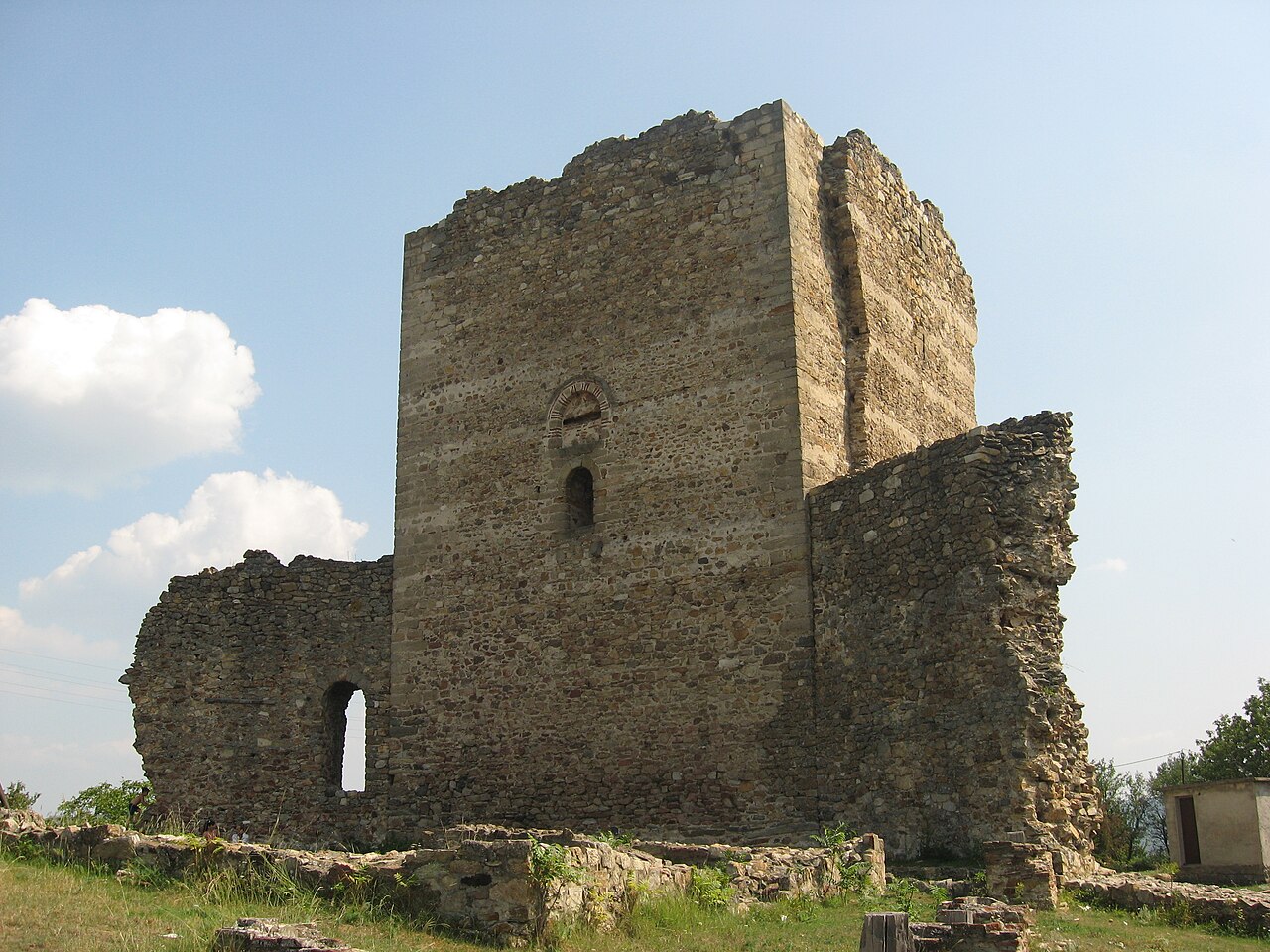
Photo by sonjabgd • CC BY-SA 3.0
Cultural significance and preservation status
Today, Stalać Fortress holds the status of a Cultural Monument of Great Importance in the Republic of Serbia. This designation highlights its value as a heritage site representing medieval Serbian military architecture and history.
Although much of the fortress remains in a ruined state, efforts have been made to preserve its remains and promote awareness of its historical significance. The site attracts visitors interested in medieval history, archaeology, and Serbian cultural heritage.
Visiting stalać fortress
Visitors to Stalać Fortress can explore the hilltop ruins and enjoy panoramic views of the surrounding landscape, including the meeting point of the West and South Morava rivers. The site is accessible from Kruševac and nearby towns, although facilities may be limited due to the fortress's ruined condition.
Exploration of the fortress offers insight into medieval fortification techniques and the strategic importance of river confluences in military history. Visitors are advised to wear appropriate footwear and be prepared for uneven terrain.
Frequently asked questions (FAQ)
- How do I get to Stalać Fortress?
- Stalać Fortress is located in the town of Stalać, Serbia, easily accessible by car or public transport. If you are traveling by train, the nearest station is in the town of Kraljevo, from where you can take a taxi or local bus to reach the fortress.
- What is the historical significance of Stalać Fortress?
- Stalać Fortress dates back to the 14th century and has been a strategic military stronghold throughout its history. It played a crucial role in various battles and conflicts, reflecting the turbulent history of the region during the Ottoman and Habsburg empires.
- When was Stalać Fortress built?
- Construction of Stalać Fortress began in the late 14th century, with significant modifications made in the 15th and 16th centuries. Its architecture showcases a blend of medieval styles, demonstrating the fortress's importance over several centuries.
- Can I visit Stalać Fortress year-round?
- Yes, Stalać Fortress is open to visitors throughout the year. However, the best time to visit is during the spring and autumn months when the weather is mild and ideal for exploring the site.
- Why is Stalać Fortress an important architectural site?
- Stalać Fortress is renowned for its unique blend of medieval military architecture and strategic design. Its well-preserved walls and towers offer insight into the fortification techniques of the time, making it an important site for both history and architecture enthusiasts.
- Is it possible to explore the interior of Stalać Fortress?
- Yes, visitors can explore various parts of the fortress, including its towers and walls. Guided tours are often available, providing insights into the history and architecture of the site.
- What are the opening hours for Stalać Fortress?
- Stalać Fortress typically opens at 9 AM and closes at 6 PM during the tourist season. It's advisable to check the local schedule for any seasonal changes or special events that may affect opening hours.
- What are the ticket prices for visiting Stalać Fortress?
- Entry to Stalać Fortress is usually affordable, with ticket prices around 200 dinars for adults and discounts available for students and children. It's recommended to bring cash, as card payments might not be accepted on-site.
- Are there any nearby attractions to visit?
- Yes, after visiting Stalać Fortress, you can explore nearby attractions such as the historic town of Kraljevo and the beautiful Morava River. Additionally, the scenic landscapes and hiking trails in the surrounding area make for a great outdoor experience.
Photo gallery

Information
Loading map...
Visitor reviews
No reviews yet. Be the first to share your experience!