
Žďár monastery
Žďár monastery is a historic complex located in the Vysočina Region of Czechia, originally established in the 13th century during the High Medieval period. It stands as a significant example of a hill castle combined with monastic architecture, reflecting the religious and defensive needs of its time.
Historical background and foundation
The monastery was founded in 1252 by the Cistercian order, a Catholic monastic community known for their austere lifestyle and architectural contributions across Europe. The location on a hill provided a strategic advantage for defense, typical of hill castles constructed in the medieval era. This site was chosen to establish a religious center that also served as a fortified complex.
Throughout the centuries, the monastery played an important role in the religious and cultural development of the region. It was a center for spiritual life, education, and agricultural innovation, typical of Cistercian monasteries. The community lived according to the strict Rule of St. Benedict, emphasizing manual labor and self-sufficiency.
Architectural features and layout
The original monastery complex integrated fortified elements characteristic of a hill castle, including defensive walls and towers designed to protect the monastic inhabitants. The architecture combined religious buildings such as the church and cloisters with defensive structures, creating a multifunctional complex.
The main church was built in the Gothic style, featuring pointed arches, ribbed vaults, and flying buttresses that allowed for taller, more light-filled interiors. The cloisters surrounded a central courtyard, providing a tranquil space for meditation and daily monastic activities.
Additional buildings included dormitories, refectories, and workshops, arranged to support the monastic community's daily life. The complex was surrounded by fortified walls with gates that controlled access, reflecting the need for security during turbulent medieval times.
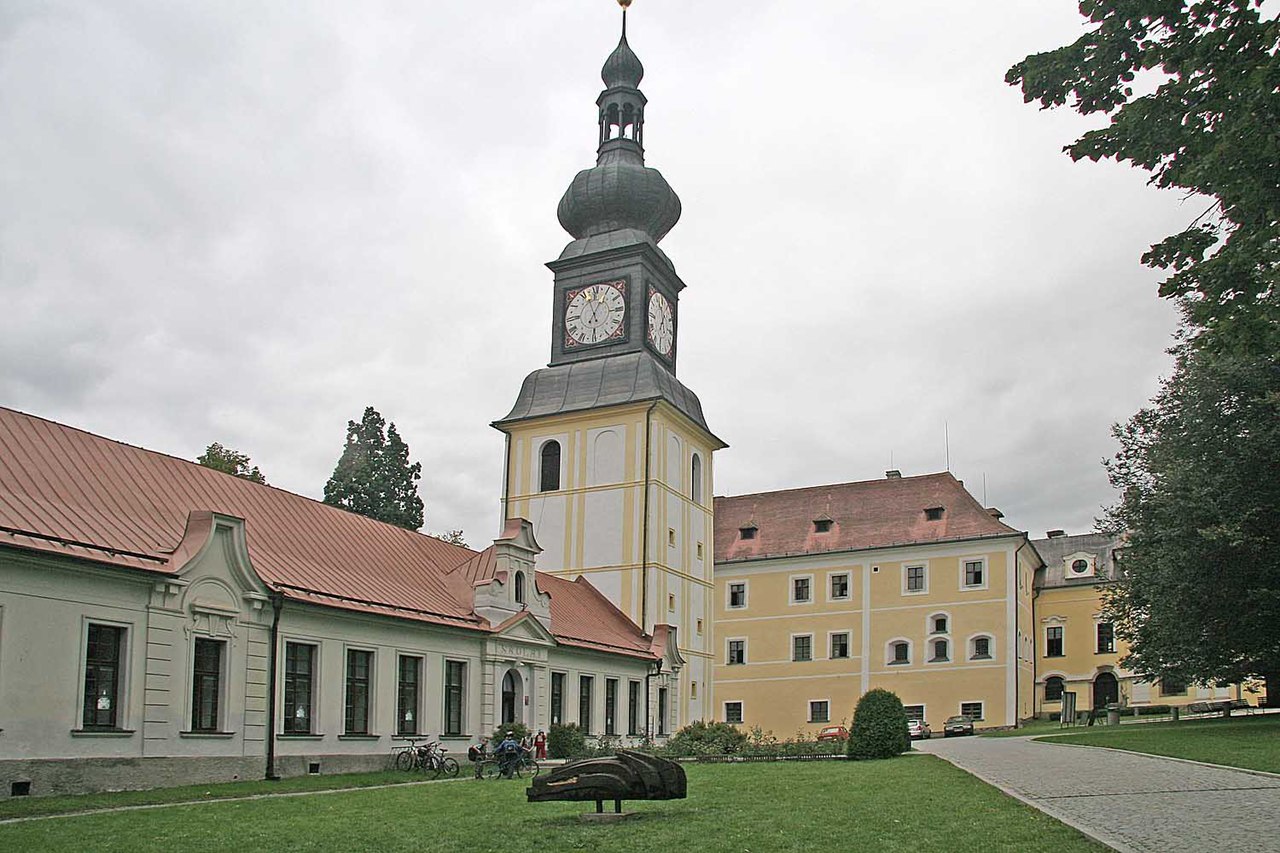
Photo by Prazak • CC BY 2.5
Later developments and current condition
Over the centuries, the monastery underwent various modifications and expansions. Some Renaissance and Baroque elements were added, reflecting changing architectural tastes and the community's evolving needs. However, the core Gothic and medieval structures remain prominent.
Today, the monastery is recognized as a well-preserved historic site, attracting visitors interested in medieval architecture, monastic history, and Czech cultural heritage. It serves both as a monument and a reminder of the religious and defensive functions that hill castles like Žďár monastery fulfilled.
Significance in Czech heritage
Žďár monastery is an important cultural landmark in Czechia, illustrating the intersection of monastic life and military architecture. Its foundation by the Cistercian order links it to a broader European network of religious communities that shaped medieval society.
The site is valued for its architectural integrity and its role in preserving the history of monasticism and medieval fortifications. It continues to be a subject of scholarly interest and a destination for cultural tourism.
Frequently asked questions (FAQ)
- What is the historical significance of Žďár monastery?
- Žďár monastery, founded in the 13th century, is a remarkable example of Cistercian architecture in the Czech Republic. It played a vital role in the religious and cultural life of the region, serving as a center for agricultural development and education during the Middle Ages.
- When was Žďár monastery built?
- The construction of Žďár monastery began in 1252 and continued over several centuries, with significant renovations taking place in the 18th century. The architectural style reflects the evolution of Gothic and Baroque influences, making it a fascinating site for history enthusiasts.
- Can I visit Žďár monastery?
- Yes, visitors are welcome to explore Žďár monastery. Guided tours are available, offering insights into its rich history and architectural beauty, providing a comprehensive experience for all guests.
- What are the opening hours for Žďár monastery?
- Žďár monastery typically opens from Tuesday to Sunday, with varied hours depending on the season. It is advisable to check the official website for the most current information regarding opening times before planning your visit.
- Is it possible to purchase tickets in advance?
- Yes, it is possible to purchase tickets in advance for Žďár monastery. This is highly recommended, especially during peak tourist seasons, to ensure your spot on the guided tours.
- What is the best time to visit Žďár monastery?
- The best time to visit Žďár monastery is during the spring and early autumn months when the weather is pleasant, and the gardens around the monastery are in full bloom. Additionally, these seasons tend to be less crowded, allowing for a more relaxed visit.
- How accessible is Žďár monastery for visitors with disabilities?
- Žďár monastery strives to be accessible to all visitors, with facilities designed to accommodate those with mobility challenges. However, some historical sections may have limitations due to their architectural features, so it is advisable to inquire beforehand.
- Are there any nearby attractions to visit?
- Yes, there are several nearby attractions, including the picturesque Pilgrimage Church of St. John of Nepomuk at Zelená Hora, a UNESCO World Heritage Site, and the scenic Vysočina region, known for its natural beauty and hiking trails. These sites complement a visit to Žďár monastery perfectly.
- What are the ticket prices for Žďár monastery?
- Ticket prices for Žďár monastery vary depending on the type of tour and age of visitors, with discounts available for students and seniors. It is recommended to check the official website for the most up-to-date pricing information before your visit.

Information
Loading map...
Visitor reviews
No reviews yet. Be the first to share your experience!