
Ōno Castle (Chikuzen)
Ōno Castle (大野城, Ōno-jō) stands as a significant example of ancient Japanese fortifications influenced by Korean defensive architecture, known as Korean-style fortresses (朝鮮式山城, Chōsen-shiki yamajiro). Constructed in the 7th century during the Early Medieval period, it was strategically positioned straddling the border of what are now the cities of Ōnojō and Dazaifu, as well as the town of Umi in Fukuoka Prefecture, Japan. The castle's ruins have been recognized for their cultural and historical importance, designated a National Historic Site in 1932 and elevated to a Special Historic Site status in 1953, with the protected area expanded further in 2012.
Historical context and significance
The construction of Ōno Castle occurred during a period when Japan faced threats from continental powers, particularly the Tang Dynasty China and the Korean kingdoms. The fortress was part of a broader network of defensive structures built to protect the Japanese archipelago from potential invasions and raids. Its Korean-style mountain fortress design reflects the cultural and technological exchanges between Japan and the Korean Peninsula during this era.
The castle's location near Dazaifu, the administrative center of northern Kyushu, underscores its strategic importance. Dazaifu was the seat of the regional government responsible for defense and diplomacy with neighboring states. Ōno Castle's role was to serve as a military stronghold to guard the approaches to Dazaifu and the surrounding region.
Architectural features and layout
Ōno Castle is classified as a mountain fortress or yamajiro, characterized by its use of natural topography for defense. The castle's design incorporates extensive stone walls and earthen ramparts that follow the contours of the hills, creating a formidable barrier against attackers. The walls are constructed using large, roughly hewn stones fitted together without mortar, a technique typical of the period and indicative of Korean influence.
The fortress encompasses a vast area, with its defensive walls extending over several kilometers. The layout includes multiple gates, watchtowers, and enclosures that would have housed troops and supplies. The design emphasizes both defense and surveillance, allowing defenders to monitor and control the surrounding landscape effectively.
Fortification style
The Korean-style fortification is distinguished by its extensive use of stone walls on mountain ridges, contrasting with the predominantly wooden castles that would emerge in later Japanese periods. This style was adapted to the rugged terrain of northern Kyushu and optimized for resisting sieges and raids.
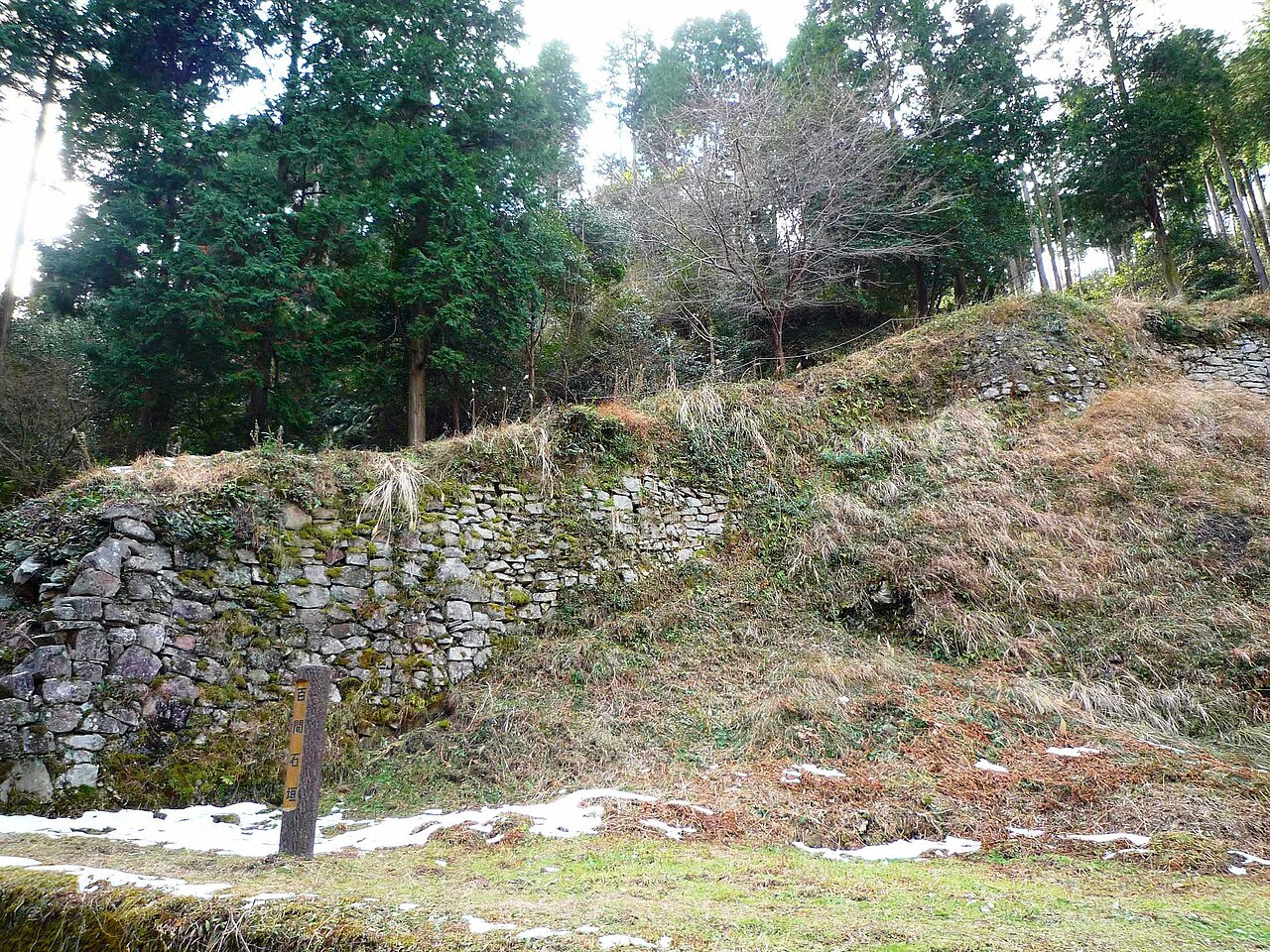
Photo by Heartoftheworld • CC BY-SA 3.0
Archaeological findings and preservation
Excavations at Ōno Castle have revealed remnants of the original walls, gates, and other structural elements, providing valuable insight into early Japanese military architecture. Artifacts such as pottery shards, tools, and weapon fragments have been uncovered, helping to date the site and understand the daily life of its occupants.
The castle's ruins are now a protected archaeological site, with ongoing efforts to preserve and study the remains. The designation as a Special Historic Site reflects the castle's importance in Japanese history and its value as a cultural heritage asset.
Modern significance and visitor experience
Today, Ōno Castle's ruins serve as a historical park and educational resource, attracting visitors interested in Japan's ancient military history and archaeology. The site offers walking trails that follow the original stone walls and provide panoramic views of the surrounding landscape.
Interpretive signage and displays help visitors understand the castle's construction, purpose, and historical context. The proximity to Ōnojō City and Dazaifu makes it accessible for day trips, and the site is often included in tours exploring the cultural heritage of Fukuoka Prefecture.
Photo gallery

Information
Loading map...
Visitor reviews
No reviews yet. Be the first to share your experience!