
Ksar Magel Bel Abbès
Ksar Magel Bel Abbès is a notable example of a bastioned fortress located in Tunisia. This fortress reflects the military architectural innovations that were prominent in North Africa, particularly during periods when fortifications needed to withstand artillery and other advanced siege technologies.
Historical context and significance
The region of Tunisia has a long history of fortified structures, influenced by various ruling powers including the Romans, Byzantines, Arabs, and Ottomans. Ksar Magel Bel Abbès fits within this tradition as a defensive stronghold designed to protect local populations and strategic routes. While the exact date of construction remains uncertain, bastioned fortresses generally date from the post-medieval period, reflecting the adaptation of fortifications to gunpowder weaponry.
Architectural features of Ksar Magel Bel Abbès
This fortress is characterized by its angular bastions, which project outward from the main walls. These bastions allowed defenders to cover adjacent walls with overlapping fields of fire, eliminating blind spots and improving defensive capabilities against attackers. The walls themselves are typically thick and robust, constructed to absorb cannon fire.
Layout and defensive elements
The fortress likely includes a curtain wall connecting the bastions, forming a polygonal or irregular shape adapted to the terrain. Entrances would be fortified with gatehouses and possibly moats or ditches to hinder direct assault. Inside, the fortress would contain casemates or chambers for troops and supplies, as well as lookout towers for surveillance.
Materials and construction techniques
Construction materials would have been locally sourced, often stone and brick, with lime mortar binding. The design reflects an understanding of both traditional fortification methods and the newer demands of artillery warfare, combining thick walls with bastions designed to deflect and absorb cannonballs.
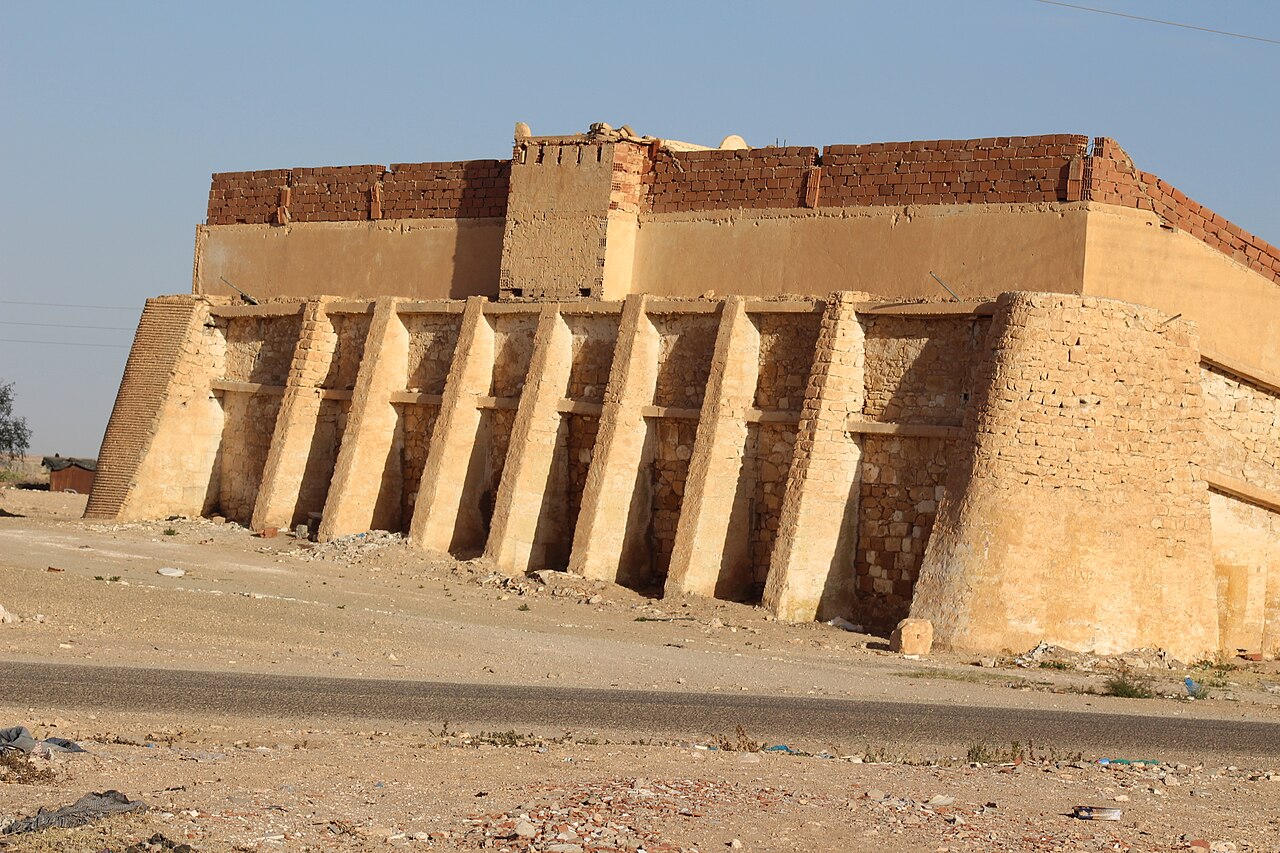
Photo by Hommi2020 • CC BY-SA 4.0
Strategic importance and role
Situated within Tunisia, Ksar Magel Bel Abbès would have served as a military and administrative center, controlling access to key routes and protecting inhabitants from raids or invasions. Bastioned fortresses like this were integral to the defense systems of the region, particularly during periods of conflict involving European powers or internal strife.
Preservation and current status
The current condition of Ksar Magel Bel Abbès is not extensively documented, but bastioned fortresses in Tunisia often survive as partially preserved or ruined sites. Preservation efforts depend on local and national priorities, with some sites maintained for their historical and cultural value.
Visiting and cultural heritage
While specific visitor information for Ksar Magel Bel Abbès is limited, such fortresses generally attract historians, archaeologists, and tourists interested in military architecture and North African history. Exploring the fortress offers insight into the evolution of defensive strategies and the historical landscape of Tunisia.
Frequently asked questions (FAQ)
- What is the historical significance of Ksar Magel Bel Abbès?
- Ksar Magel Bel Abbès is significant as a bastioned fortress that reflects North African military architecture adapted to gunpowder warfare, serving defensive and administrative roles in Tunisia's history.
- Can I visit Ksar Magel Bel Abbès?
- Specific visitor information is limited, but bastioned fortresses in Tunisia often attract tourists interested in history and architecture. Checking local tourism resources is recommended before planning a visit.
- What are the key architectural features of Ksar Magel Bel Abbès?
- The fortress features angular bastions for improved defense, thick curtain walls, fortified gatehouses, and possibly moats, typical of bastioned fortresses designed to withstand artillery attacks.
- When was Ksar Magel Bel Abbès likely built?
- The exact construction date is unknown, but bastioned fortresses generally date from the post-medieval period, reflecting adaptations to gunpowder weaponry.
- Why are bastioned fortresses important in military architecture?
- Bastioned fortresses improved defense by allowing overlapping fields of fire and better protection against artillery, marking a shift from medieval to early modern fortification techniques.
Photo gallery

Information
Loading map...
Visitor reviews
No reviews yet. Be the first to share your experience!