
Kalâa of Ait Abbas
The Kalâa of the Aït Abbas (Kabyle: Lqelɛa n At Ɛebbas), also known as Qal'a or Guelaa, stands as a significant hill castle and fortress located in the mountainous Bibans region of Algeria. Founded in the 16th century, this citadel served as the capital of the Kingdom of Ait Abbas, a powerful Kabyle Berber state that played a crucial role in the region's history during the Renaissance period. The castle's strategic position atop a rocky hill provided natural defenses and commanding views over the surrounding valleys, making it a formidable stronghold against invaders.
Historical background and foundation
The Kingdom of Ait Abbas was established in the early 1500s by the Aït Abbas tribe, a prominent Berber group in the Kabylie region. The Kalâa was constructed to serve both as a military fortress and administrative center, symbolizing the sovereignty and independence of the kingdom amid the complex political landscape of North Africa during the Renaissance. The fortress was integral in resisting Ottoman expansion and local rivalries, maintaining the kingdom's autonomy for centuries.
Role in regional conflicts
Throughout its history, the Kalâa of Ait Abbas was a focal point for numerous military engagements, particularly during the 16th and 17th centuries. It withstood sieges and served as a refuge for the Kabyle people during periods of conflict. The fortress's robust defensive walls and natural elevation made it difficult for enemies to capture, contributing to its reputation as an impregnable stronghold.
Architectural features and layout
The Kalâa is a prime example of a hill castle adapted to the rugged terrain of the Bibans mountains. Its construction incorporates thick stone walls that follow the contours of the hill, maximizing natural defenses. The fortress includes multiple towers and gatehouses strategically placed to oversee access routes and provide vantage points for surveillance and defense.
Defensive structures
The castle's defensive system features battlements and narrow arrow slits for archers, designed to repel attackers while minimizing exposure. The walls are punctuated by bastions that allowed defenders to cover blind spots and create overlapping fields of fire. A deep moat or natural ravine often surrounded parts of the fortress, enhancing its protection against siege engines.
Internal organization
Inside the Kalâa, the layout includes a central courtyard that served as a gathering place and marketplace. Residential quarters, administrative buildings, and storage facilities were arranged around this courtyard. The castle also housed granaries and water cisterns to sustain inhabitants during prolonged sieges. Religious structures such as a mosque were present, reflecting the cultural and spiritual life of the kingdom.
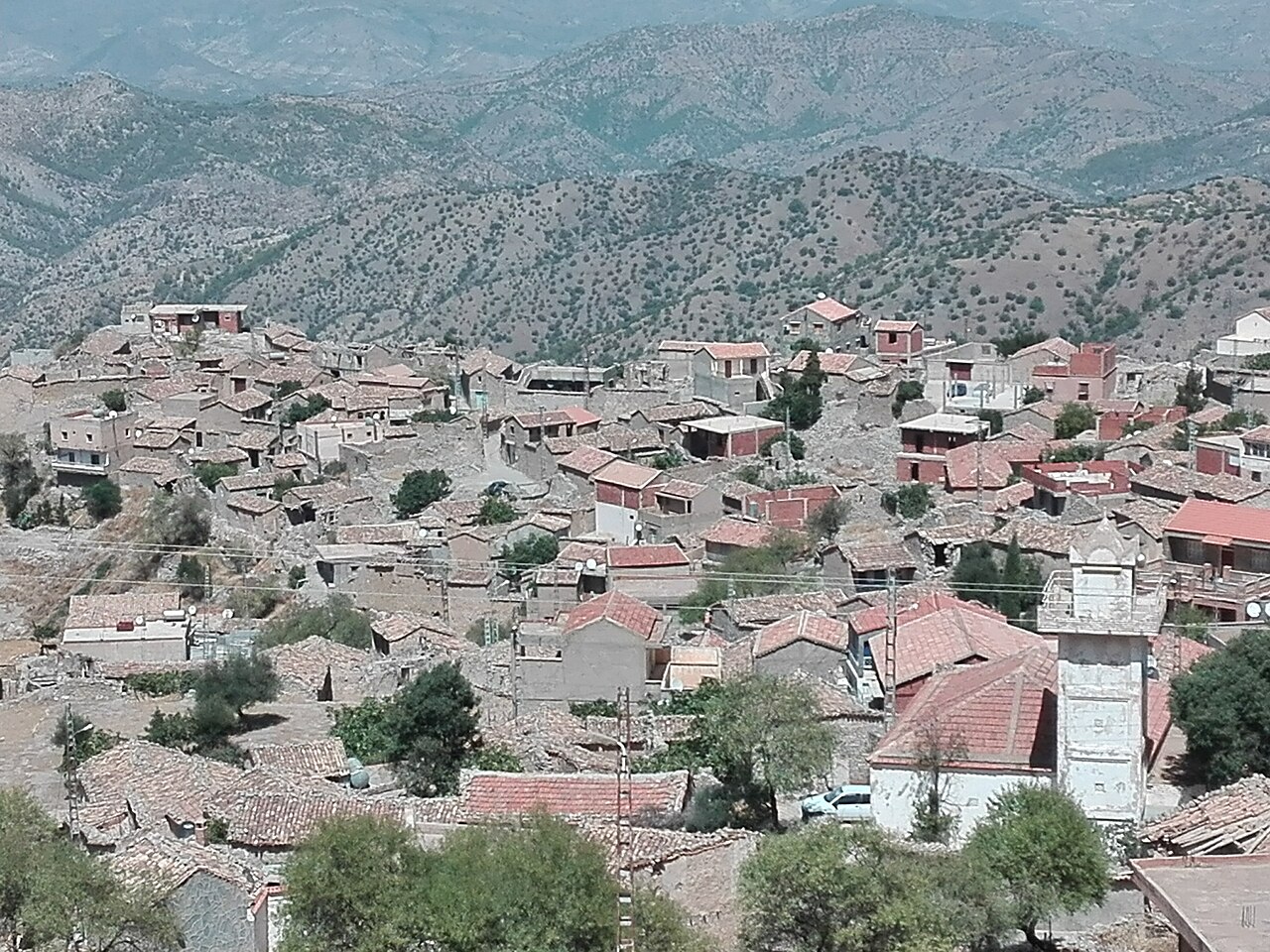
Photo by Riad Hadjsadok • CC BY-SA 4.0
Destruction and legacy
In 1871, during the Cheikh Mokrani revolt, the Kalâa of Ait Abbas suffered near-total destruction as French colonial forces suppressed the uprising. The fortress was systematically dismantled, and much of its structure fell into ruin. Despite this, the site remains a symbol of Kabyle resistance and heritage.
Current condition and preservation
Today, the Kalâa is classified as ruins, with remnants of its walls and towers still visible. Archaeological efforts have aimed to document and preserve what remains, highlighting the castle's historical and cultural significance. Visitors to the site can explore the ruins and gain insight into the architectural ingenuity and historical importance of this Renaissance-era hill castle.
Importance in Algerian cultural history
The Kalâa of Ait Abbas is more than a military relic; it is a testament to the resilience and identity of the Kabyle people. Its history reflects the complex interplay of indigenous kingdoms, colonial ambitions, and local resistance in Algeria. The fortress continues to inspire interest among historians, archaeologists, and tourists alike, serving as a tangible link to a pivotal era in North African history.
Frequently asked questions (FAQ)
- When was the Kalâa of Ait Abbas built?
- The Kalâa of Ait Abbas was constructed in the 16th century as the capital fortress of the Kingdom of Ait Abbas.
- What type of castle is the Kalâa of Ait Abbas?
- It is a hill castle built atop a rocky elevation in the Bibans mountains, designed for defense and surveillance.
- What happened to the castle during the Cheikh Mokrani revolt?
- The castle was almost totally destroyed in 1871 during the Cheikh Mokrani revolt against French colonial forces.
- Can visitors explore the ruins today?
- Yes, the ruins of the Kalâa of Ait Abbas are accessible to visitors interested in history and archaeology.
- What are some key architectural features of the Kalâa?
- Key features include thick stone walls, defensive towers, battlements, arrow slits, and a central courtyard.
Photo gallery

Information
Loading map...
Visitor reviews
No reviews yet. Be the first to share your experience!