
Șcheia Fortress
Șcheia Fortress is a notable example of a bastioned fortress located in Romania. Although specific details about its exact city location remain unclear, the fortress represents an important military architectural style that emerged in response to the development of artillery warfare in the early modern period. Bastioned fortresses are characterized by their angular bastions projecting outward from the curtain walls, designed to cover adjacent walls with defensive fire and eliminate blind spots.
Historical context and military significance
The construction of bastioned fortresses like Șcheia Fortress became prominent during the 16th to 18th centuries, a period marked by significant advances in siege artillery. These fortifications were designed to withstand cannon fire and provide overlapping fields of defensive fire, a strategic evolution from medieval castles. Romania, situated at the crossroads of Eastern and Central Europe, saw numerous conflicts and invasions, making such fortifications vital for regional defense.
Architectural features of Șcheia Fortress
The fortress's design includes angular bastions at its corners, which allowed defenders to cover the curtain walls with flanking fire. This design minimized dead zones and improved the fortress's resilience against sieges. The walls were typically thick and low, constructed to absorb and deflect cannonballs rather than the high walls of medieval castles that were vulnerable to artillery.
Bastions and curtain walls
Bastions are the defining feature of the fortress, protruding outward to enable crossfire along the walls. The curtain walls connecting these bastions were reinforced and often surrounded by a ditch or moat to hinder attackers. The fortress likely included ravelins or detached triangular fortifications in front of the main walls to further disrupt enemy advances.
Gateways and defensive structures
The main entrance of the fortress would have been heavily fortified, possibly with a gatehouse and drawbridge over a moat or ditch. Defensive features such as machicolations or firing slits may have been incorporated to allow defenders to repel assaults effectively.
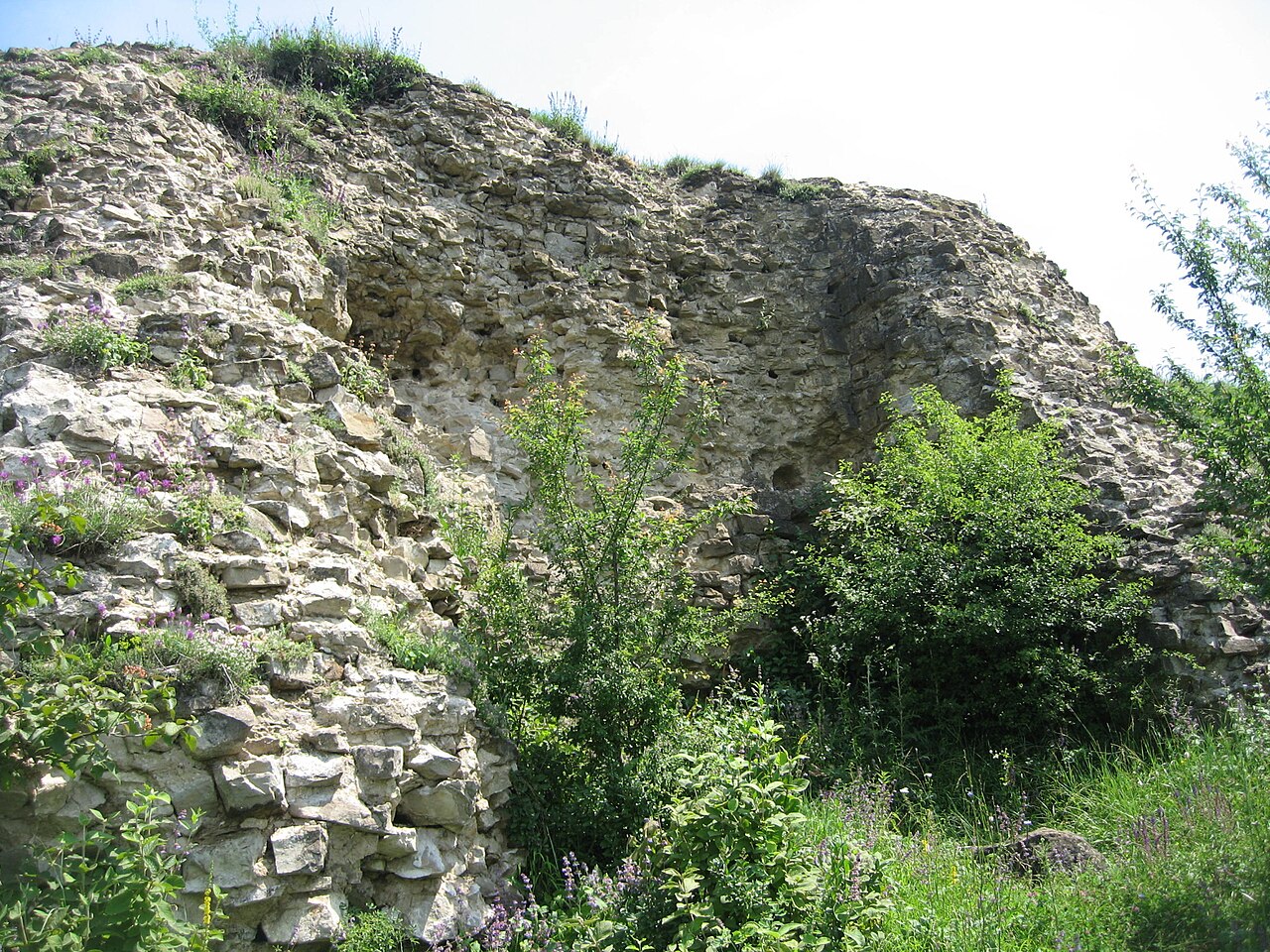
Photo by Cezar Suceveanu • CC BY 3.0
Role in regional defense and historical events
While detailed historical records specific to Șcheia Fortress are limited, bastioned fortresses in Romania were critical in resisting Ottoman advances and other regional conflicts. The fortress would have served as a military stronghold, protecting local populations and controlling strategic routes.
Preservation and current condition
The present condition of Șcheia Fortress is not well documented, but bastioned fortresses in the region often survive as ruins or partially preserved structures. These sites offer valuable insights into early modern military architecture and the historical context of Romanian defense systems.
Architectural legacy and cultural importance
Șcheia Fortress exemplifies the transition from medieval castle design to early modern fortifications shaped by gunpowder weaponry. Its bastioned layout influenced later fortress constructions and remains a subject of study for military historians and architects interested in the evolution of defensive architecture.
Frequently asked questions (FAQ)
- How do I get to Șcheia Fortress?
- You can reach Șcheia Fortress by car or public transport from the nearby city of Suceava. There are local buses that connect Suceava to Șcheia, making it accessible for visitors. If driving, please note that there is parking available near the fortress.
- What is the historical significance of Șcheia Fortress?
- Șcheia Fortress dates back to the 14th century and served as a vital defensive structure against invasions in the region. It played a crucial role in the history of Moldavia, particularly during the reign of Stephen the Great. The fortress is an important symbol of medieval architecture and local heritage.
- When was Șcheia Fortress built?
- The construction of Șcheia Fortress began in the 14th century, with significant modifications made over the years. The fortress was strategically built to protect the region from external threats. Its enduring presence reflects the turbulent history of the area during medieval times.
- Can I visit Șcheia Fortress year-round?
- Yes, Șcheia Fortress is open to visitors year-round, although hours may vary by season. It's recommended to check the official website or local tourism information for specific opening times. Visiting during the warmer months allows for a more enjoyable exploration of the grounds.
- Why is the architecture of Șcheia Fortress unique?
- The architecture of Șcheia Fortress showcases a blend of Gothic and Renaissance styles, reflecting the influences of different periods. Its robust stone walls and strategic design highlight its defensive purpose, while also incorporating aesthetic elements typical of its era. The fortress stands as a testament to the engineering skills of its builders.
- Is it possible to take guided tours at Șcheia Fortress?
- Yes, guided tours are available at Șcheia Fortress, providing visitors with in-depth knowledge about its history and architecture. These tours are led by knowledgeable guides who offer insights into the fortress's significance. It’s a fantastic way to enhance your visit and learn more about the site.
- What is the best time to visit Șcheia Fortress?
- The best time to visit Șcheia Fortress is during the spring and early autumn months when the weather is mild and pleasant. These seasons also provide beautiful scenery, making your visit more enjoyable. Summer can be busy with tourists, so plan accordingly if you prefer a quieter experience.
- Are there any nearby attractions to visit?
- Yes, there are several attractions near Șcheia Fortress, including the Suceava Citadel and the Painted Monasteries of Bucovina. These sites offer additional insights into the rich history and culture of the region. A day trip can easily accommodate visits to multiple historical sites in the area.
- What are the ticket prices for entering Șcheia Fortress?
- Ticket prices for entering Șcheia Fortress are quite reasonable, typically ranging from a few lei for adults to discounts for students and seniors. It's advisable to check the latest prices on the official website or local tourism guides. Entrance fees contribute to the maintenance and preservation of the fortress.
- What are the opening hours for Șcheia Fortress?
- Șcheia Fortress generally opens to visitors from 9 AM to 6 PM, but hours may vary depending on the season. It’s best to confirm the opening times before your visit to ensure a smooth experience. Special events or holidays may also affect regular hours, so checking in advance is recommended.
Photo gallery

Information
Loading map...
Visitor reviews
No reviews yet. Be the first to share your experience!