Aldourie Castle
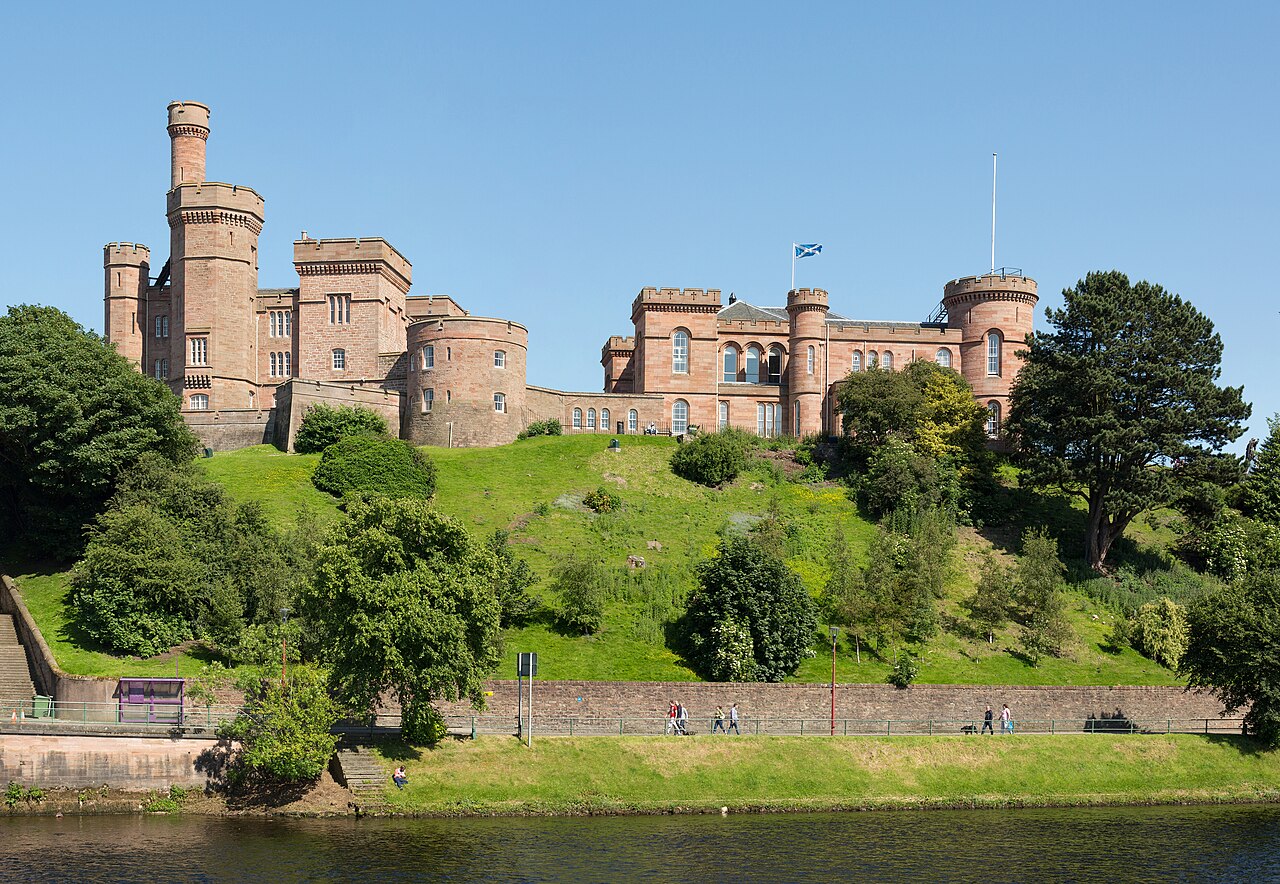
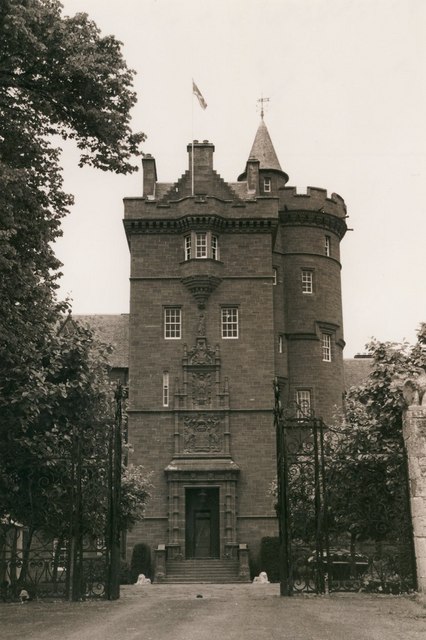
Aldourie Castle stands majestically on a level terrace overlooking the southern shore of Loch Ness, near Inverness in the Scottish Highlands. This historic estate, with origins dating back to the early 17th century, has evolved through centuries into a distinguished example of Scottish Baronial architecture. Its commanding position and extensive grounds offer a glimpse into Scotland's rich aristocratic and military past, while its carefully preserved features reveal the artistry and craftsmanship of multiple generations.
Early history and origins
The site of Aldourie Castle was originally established as a laird's residence by the Mackintosh of Kyllachy family, with the earliest documented evidence from 1625. The initial structure, parts of which survive today, was constructed around 1626, marking the estate as a notable Highland dwelling during the early modern period. This period was characterized by fortified houses and tower houses that balanced domestic comfort with defensive needs.
In 1776, the estate passed into the hands of Alexander Fraser Tytler, Lord Woodhouselee, through marriage, initiating a new phase of ownership that would shape the castle's architectural and social development. The Fraser-Tytler family maintained the estate for generations, overseeing significant expansions and stylistic transformations.
Architectural evolution and expansions
19th-century transformations
The mid-19th century was a pivotal era for Aldourie Castle's appearance. Under the direction of William Fraser-Tytler, the estate underwent extensive remodeling that embraced the Scottish Baronial style, a revivalist architectural movement inspired by medieval Scottish castles. This style is distinguished by its romantic turrets, battlements, and ornamental stonework that evoke a sense of noble heritage and grandeur.
Key expansions during this period included a two-storey west wing added in 1839 and a north wing with turrets completed in 1850, both of which enhanced the castle's footprint and silhouette. The castle's rectangular main block was complemented by a prominent round tower at the southwest corner, featuring a balustraded design reminiscent of Castle Fraser and topped with a distinctive shaped cupola roof.
Early 20th-century additions
Between 1902 and 1904, renowned Scottish architect Sir Robert Lorimer designed and constructed a south-east wing that harmonized with the existing Baronial elements. Lorimer's work is noted for its sensitive integration of historical styles with modern functionality, adding refined detail and spatial complexity to Aldourie Castle.
Architectural features and style
Aldourie Castle exemplifies hallmark features of the Scottish Baronial style. Its exterior is finished with traditional harling, a roughcast plaster that provides weatherproofing and textural contrast against the polished stone dressings around windows and doors. The roofs are clad in slate, maintaining the regional vernacular.
Distinctive architectural details include oriel windows supported by corbels, scroll-sided dormer windows with steep pedimented gables, and small turrets shaped like candle snuffers. The castle also features decorative rope-moulded stringcourses and gunloops, which, while largely ornamental, reflect its baronial heritage. Windows are often paired and separated by sturdy stone mullions, enhancing both light and structural rhythm.
Grounds and landscape
The estate encompasses nearly 39 hectares (96 acres) of parkland, largely unchanged since the 19th-century expansions. The main lawn stretches northwest toward Loch Ness and the nearby Creag Dherag slopes, offering scenic vistas that complement the castle's imposing presence.
Among the estate's notable features is a walled Victorian kitchen garden, which has undergone restoration since 2017 as part of broader conservation efforts. Beyond the parkland lie agricultural fields protected by shelterbelts, bands of trees planted to shield crops from harsh Highland winds.
The entrance to the estate is marked by rustically decorated cast iron gate piers dating from around 1860, set approximately 300 meters southeast of the main house. These gates, hung between stout stone piers, provide a grand and historically appropriate threshold to the property.
Military heritage and historical significance
Aldourie Castle holds a unique place in military history as the founding site of the Lovat Scouts in 1893. This elite Scottish military unit was established by Lord Lovat in collaboration with Edward Fraser-Tytler, drawing on the region's tradition of skilled marksmanship and reconnaissance. The Lovat Scouts became renowned for their scouting and sniping abilities, contributing significantly to British military operations.
Modern restoration and current status
In the 21st century, Aldourie Castle has benefited from comprehensive restoration and conservation projects. Between 2002 and 2010, extensive repairs preserved the castle's historical fabric, including specialist treatments of historic paintwork, murals, and metal fixtures. Conservation efforts have also extended to ancillary buildings such as the estate's Steadings, which historically supported agricultural and domestic functions.
Since 2017, restoration has focused on the gardens and landscape, with involvement from the National Trust for Scotland and landscape architect Tom Stuart Smith. These initiatives aim to maintain the estate's historic character while enhancing its natural beauty.
In 2015, Danish billionaire Anders Holch Povlsen acquired Aldourie Castle, becoming Scotland's largest private landowner. The castle is maintained as a private residence and is also available for private rental stays, allowing guests to experience its historic ambiance firsthand.
Aldourie Castle is a Category A listed building, reflecting its architectural and historical importance. Its gardens and parkland are listed in Scotland's Inventory of Gardens and Designed Landscapes with an outstanding grade, underscoring the estate's cultural and heritage significance.
Recent architectural additions
Adding to the estate’s blend of history and contemporary design, a new boathouse was constructed by Ptolemy Dean Architects. This modern structure complements the historic setting while providing functional amenities aligned with the estate's lakeside location.
Frequently asked questions (FAQ)
- When was Aldourie Castle originally built?
- Aldourie Castle's earliest parts date back to around 1626, originally constructed as a laird's residence by the Mackintosh of Kyllachy family.
- What architectural style characterizes Aldourie Castle?
- The castle is primarily designed in the Scottish Baronial style, featuring turrets, battlements, harling exterior, and ornamental stonework.
- Who was responsible for the early 20th-century expansion of Aldourie Castle?
- Renowned Scottish architect Sir Robert Lorimer designed and built the south-east wing between 1902 and 1904, enhancing the castle's Baronial character.
- What is the significance of the Lovat Scouts in relation to Aldourie Castle?
- The Lovat Scouts, an elite military unit, were founded at Aldourie Castle in 1893 by Lord Lovat and Edward Fraser-Tytler, highlighting the estate's military heritage.
- Is Aldourie Castle open to the public for tours?
- Aldourie Castle is a private residence and is not generally open to the public, though it is available for private rental stays on occasion.
- What conservation efforts have been undertaken at Aldourie Castle recently?
- Since 2002, extensive restoration has preserved the castle's historic features, with garden and landscape restoration ongoing since 2017 involving the National Trust for Scotland.
Information
Sources & official resources
Verify the information above using these authoritative references.
Loading map...
Visitor reviews
No reviews yet. Been here? Write the first review and help other travelers!
Write the first reviewVisited this castle? Share your experience
Your review helps other travelers and adds first-hand knowledge to our encyclopedia.